The Future of Marketing: How AI is Changing the Game in 2025
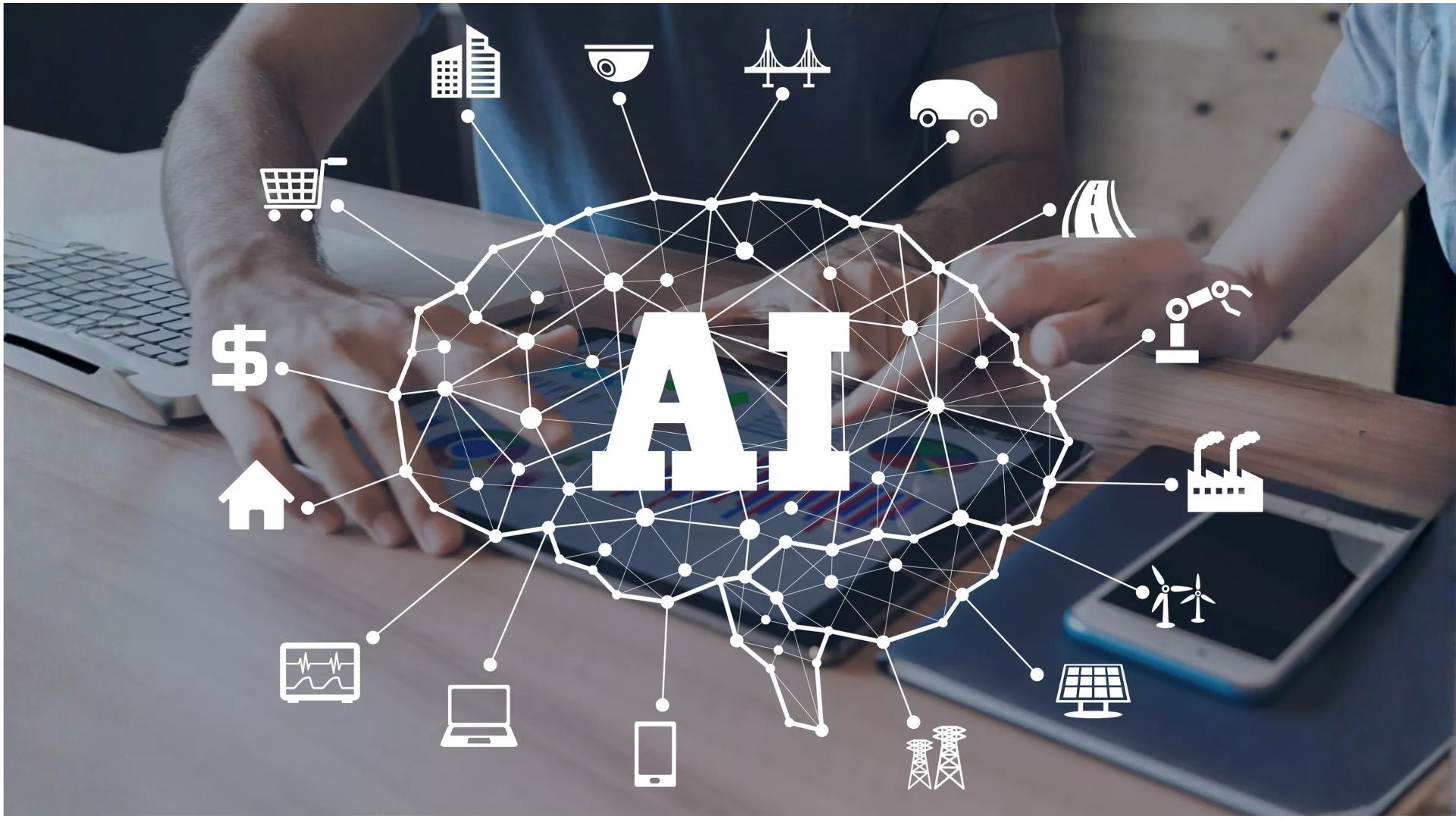
Artificial Intelligence is no longer a futuristic concept — it's here, and it's transforming marketing in ways we never imagined. In 2025, AI has become an integral part of marketing strategies, enabling businesses to deliver more personalized experiences, make data-driven decisions, and operate more efficiently than ever before.
From chatbots that handle customer service to algorithms that optimize ad campaigns in real-time, AI is reshaping how businesses connect with customers. Let's explore the cutting-edge ways AI is changing marketing and how you can leverage it for your business.
What is AI Marketing?
AI marketing uses artificial intelligence technologies to automate decision-making and improve marketing performance. It involves machine learning algorithms that analyze data, predict outcomes, and automate tasks that traditionally required human intelligence.
Key AI Technologies in Marketing:
- Machine Learning: Algorithms that learn from data to make predictions
- Natural Language Processing (NLP): Understanding and generating human language
- Predictive Analytics: Forecasting future trends and behaviors
- Computer Vision: Analyzing and understanding visual content
- Deep Learning: Advanced neural networks for complex pattern recognition
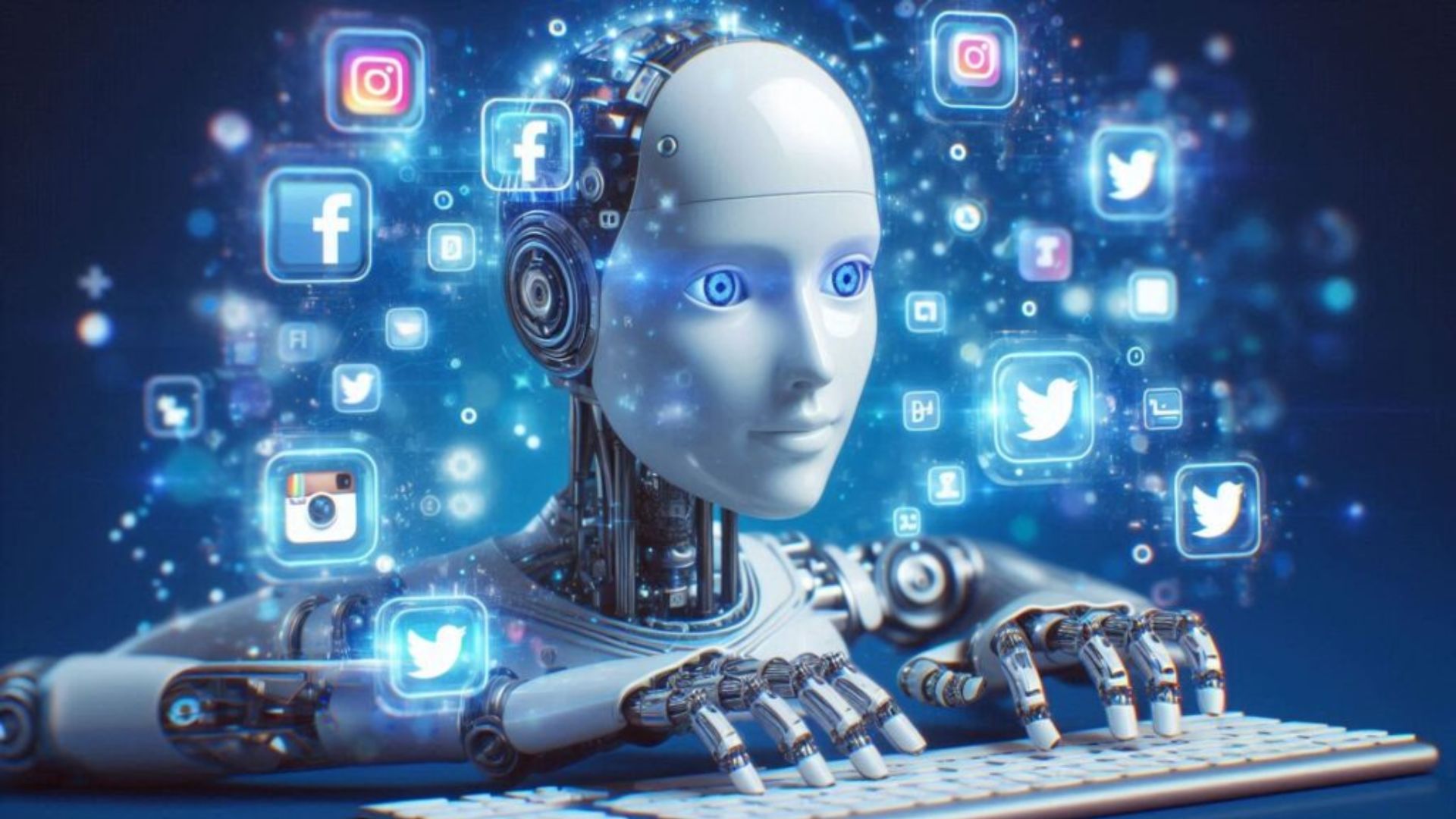
1Hyper-Personalization at Scale
AI enables personalization that was previously impossible to achieve manually.
How AI Personalizes Marketing:
✅ Action Items:
- Dynamic Content: AI adjusts website content based on visitor behavior
- Personalized Emails: Subject lines, content, and offers tailored to each recipient
- Product Recommendations: Suggest products based on browsing and purchase history
- Customized Ads: Show different ad creatives to different audience segments
- Individual Customer Journeys: Unique paths based on behavior and preferences
Real-World Examples:
- E-commerce sites showing "You might also like" based on AI analysis
- Email campaigns with subject lines optimized per recipient
- Websites that change layout based on user preferences
- Ad campaigns that adjust messaging for different audiences automatically
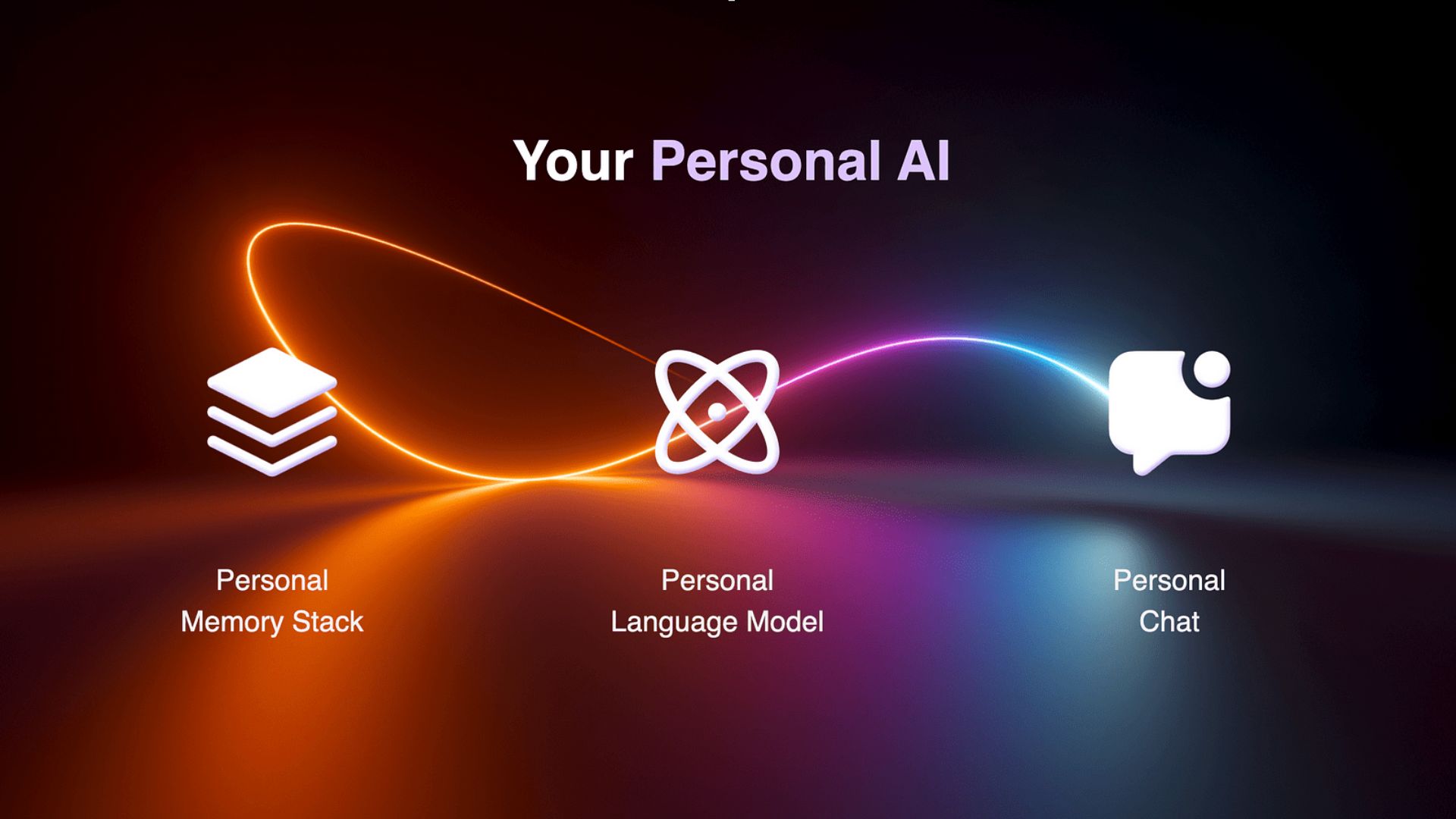
2Predictive Analytics and Customer Insights
AI analyzes vast amounts of data to predict customer behavior and identify opportunities.
Predictive Capabilities:
✅ Action Items:
- Churn Prediction: Identify customers likely to leave before they do
- Purchase Prediction: Know who's ready to buy and when
- Lifetime Value Forecasting: Predict long-term customer value
- Demand Forecasting: Anticipate market trends and demand
- Risk Assessment: Identify high-value vs. high-risk customers
Business Applications:
- Focus retention efforts on high-risk customers
- Time marketing campaigns for optimal impact
- Allocate budget to highest-value opportunities
- Anticipate market changes before competitors
- Optimize inventory based on predicted demand
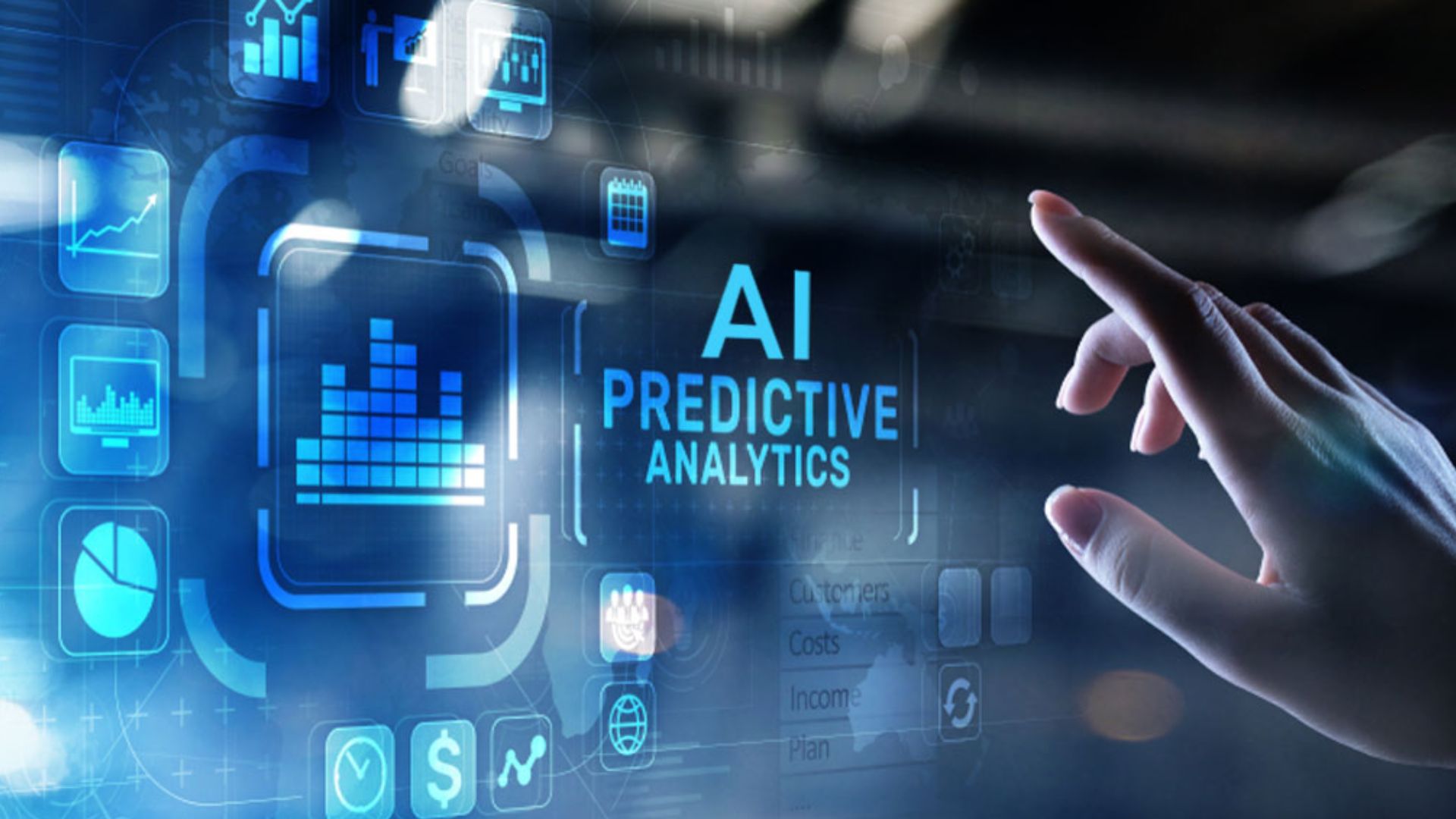
3Content Creation and Optimization
AI is revolutionizing how marketing content is created, optimized, and distributed.
AI Content Applications:
✅ Action Items:
- Content Generation: AI writes blog posts, social media content, product descriptions
- SEO Optimization: AI optimizes content for search engines automatically
- A/B Testing: AI tests multiple content variations simultaneously
- Image Generation: Create marketing visuals with AI art generators
- Video Creation: Automated video editing and generation
- Copywriting: Generate ad copy, emails, landing pages
Tools and Capabilities:
- Writing Assistants: ChatGPT, Claude, Jasper for content creation
- Image Generators: DALL-E, Midjourney, Stable Diffusion for visuals
- SEO Tools: AI-powered keyword research and optimization
- Email Tools: Subject line optimization and content generation
- Social Media: Automated post generation and scheduling
Quality Considerations:
- AI generates starting points, humans add creativity and strategy
- Always review and edit AI-generated content
- Maintain brand voice and authenticity
- Combine AI efficiency with human insight
4Intelligent Chatbots and Customer Service
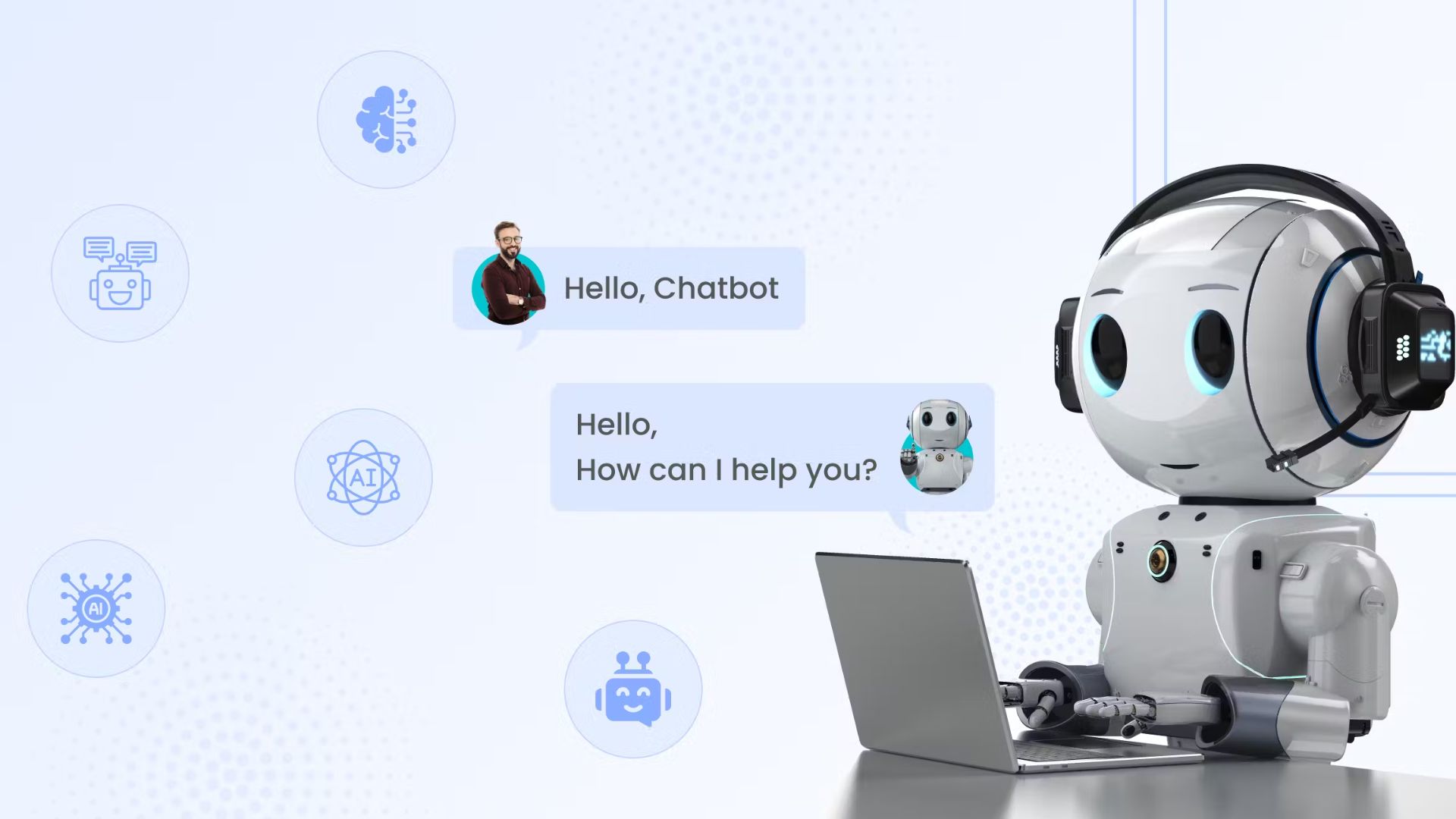
AI-powered chatbots provide 24/7 customer support and improve customer experience.
Chatbot Capabilities:
✅ Action Items:
- Instant Responses: Answer common questions immediately
- 24/7 Availability: Serve customers anytime, anywhere
- Lead Qualification: Ask questions to identify quality leads
- Appointment Scheduling: Book consultations and services
- Order Tracking: Provide real-time order status updates
- FAQ Handling: Answer frequently asked questions
Advanced Features:
- Natural Conversations: More human-like interactions with NLP
- Multi-language Support: Serve customers in their preferred language
- Context Awareness: Remember conversation history
- Sentiment Analysis: Detect customer mood and escalate when needed
- Integration: Connect with CRM, email, and other systems
Business Benefits:
- Reduce customer service costs
- Improve response times
- Handle high inquiry volumes
- Consistent service quality
- Collect valuable customer data
5Programmatic Advertising and Ad Optimization
AI optimizes ad campaigns in real-time, improving performance automatically.
AI Ad Optimization:
✅ Action Items:
- Bid Management: Automatically adjust bids for optimal performance
- Audience Targeting: Identify and target high-value audiences
- Creative Optimization: Test and optimize ad creatives automatically
- Budget Allocation: Distribute budget across campaigns for best results
- Time Optimization: Identify best times to show ads
- Ad Placement: Choose optimal ad placements automatically
Real-Time Optimization:
- Adjust bids based on performance data
- Pause underperforming ads automatically
- Scale winning ads and audiences
- Test multiple variations simultaneously
- Optimize for specific goals (clicks, conversions, ROAS)
Performance Improvements:
- Higher click-through rates
- Lower cost per acquisition
- Better return on ad spend
- Reduced wasted ad spend
- Continuous improvement over time
6Customer Segmentation and Targeting
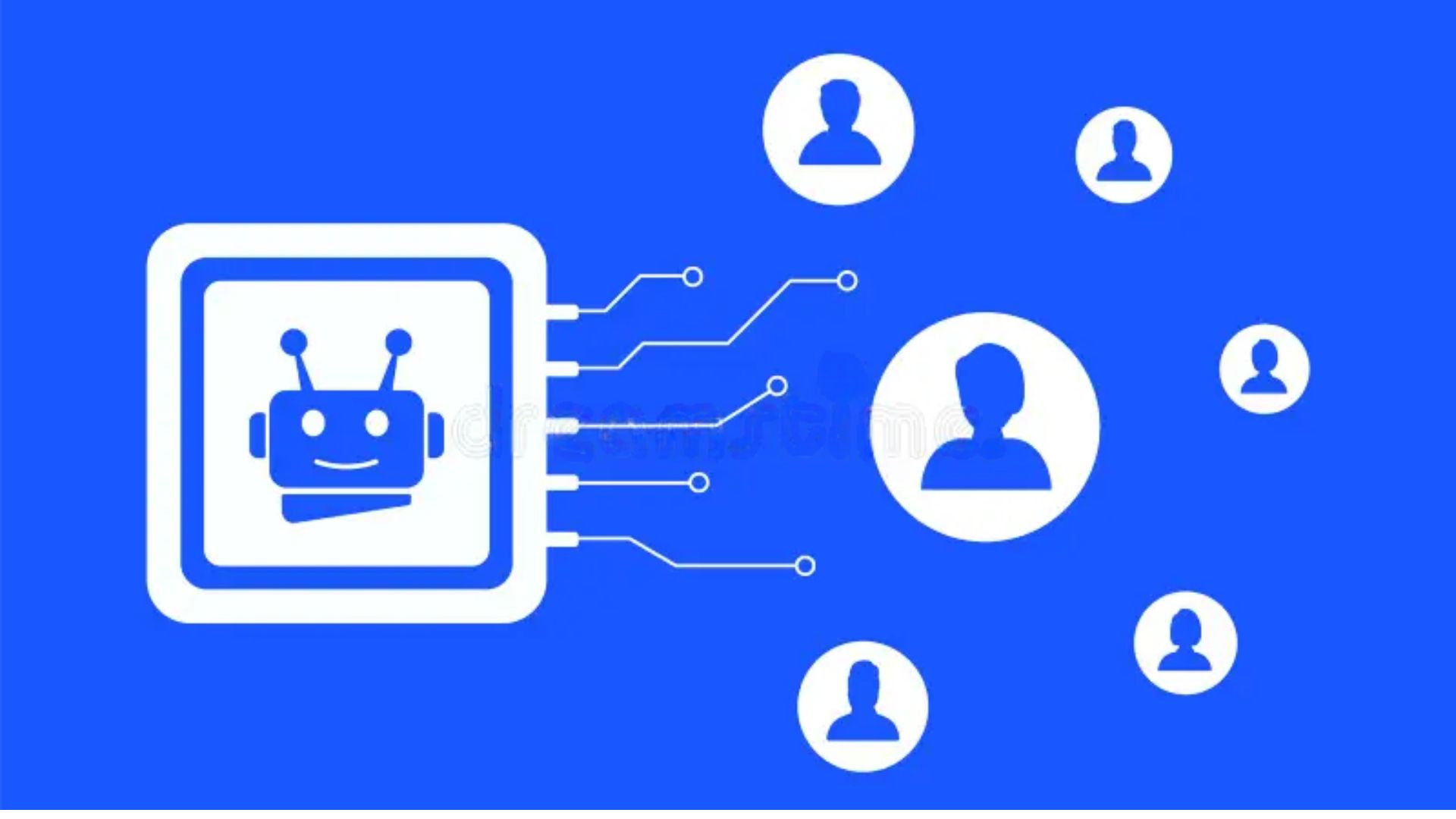
AI identifies patterns in customer data to create highly accurate segments.
AI-Powered Segmentation:
✅ Action Items:
- Behavioral Segmentation: Group customers by actions and patterns
- Predictive Segments: Identify future behavior segments
- Lookalike Audiences: Find new customers similar to best customers
- Micro-Segmentation: Create highly specific customer groups
- Dynamic Segmentation: Segments that update automatically
Segmentation Benefits:
- More relevant messaging per segment
- Better product recommendations
- Improved campaign targeting
- Higher engagement rates
- Increased conversion rates
Advanced Targeting:
- Identify high-value customers
- Target customers at optimal times
- Personalize messages per segment
- Predict segment behavior
- Optimize segment strategies
7Email Marketing Automation
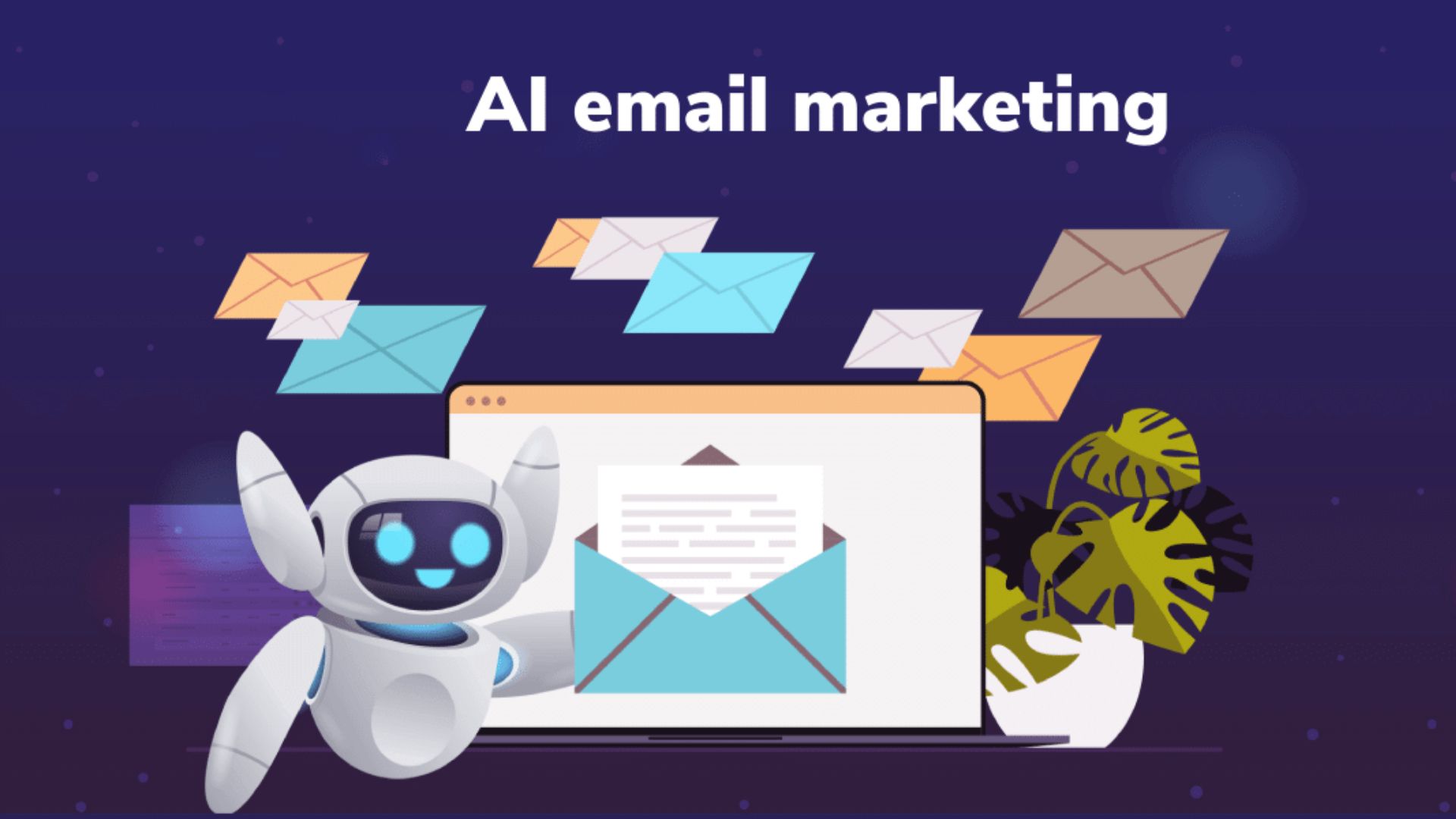
AI takes email marketing beyond simple automation to intelligent, personalized experiences.
AI Email Features:
✅ Action Items:
- Send Time Optimization: Send emails when recipients are most likely to engage
- Subject Line Optimization: Generate and test optimal subject lines
- Content Personalization: Customize email content per recipient
- Predictive Sending: Determine best time to send for each person
- Engagement Scoring: Predict who will open and click
- Automated Workflows: Trigger-based email sequences
Smart Automation:
- Welcome series that adapts based on behavior
- Abandoned cart emails with personalized offers
- Re-engagement campaigns for inactive subscribers
- Birthday and anniversary emails
- Product recommendations based on browsing
Performance Metrics:
- Higher open rates through optimization
- Better click-through rates from personalization
- Improved conversion rates
- Reduced unsubscribes
- Higher revenue per email
8Social Media Management
AI helps manage and optimize social media marketing at scale.
AI Social Media Features:
✅ Action Items:
- Content Scheduling: Optimal posting times per platform
- Hashtag Research: Identify trending and relevant hashtags
- Engagement Analysis: Understand what content performs best
- Sentiment Monitoring: Track brand mentions and sentiment
- Influencer Identification: Find relevant influencers for partnerships
- Comment Moderation: Automatically filter and respond to comments
Platform Optimization:
- Instagram: Optimize posting times, hashtags, and captions
- Facebook: Best times to post, content type optimization
- LinkedIn: Professional content optimization and scheduling
- TikTok: Trend identification and content suggestions
- Twitter: Optimal posting frequency and engagement times
Analytics and Insights:
- Performance predictions
- Audience growth forecasting
- Engagement trend analysis
- Competitor performance tracking
- ROI measurement
Challenges and Considerations
While AI offers tremendous benefits, there are important considerations.
Privacy and Data Ethics
✅ Best Practices:
- Transparent data usage policies
- Customer consent for data collection
- Compliance with privacy regulations (GDPR, PDPA)
- Secure data storage and handling
- Ethical AI implementation
Quality Control
- Review AI-generated content before publishing
- Monitor AI recommendations and decisions
- Maintain human oversight of critical functions
- Test AI outputs for accuracy
- Balance automation with human creativity
Technology Dependencies
- Understand AI tool limitations
- Have backup plans for AI failures
- Don't rely solely on AI for strategy
- Invest in team training
- Stay updated on AI developments
Cost Considerations
- Evaluate ROI of AI tools
- Start with essential tools
- Scale gradually
- Consider in-house vs. platform solutions
- Factor in training costs
Getting Started with AI Marketing
Ready to leverage AI in your marketing? Here's how to begin.
1. Start with Clear Goals
✅ Action Items:
- Identify marketing challenges AI can solve
- Define success metrics
- Set realistic expectations
- Choose specific use cases to start
2. Choose the Right Tools
Consider:
- Budget: Free, affordable, or enterprise solutions
- Ease of Use: User-friendly interfaces
- Integration: Works with existing tools
- Features: Meets your specific needs
- Support: Available help and training
3. Start Small
- Begin with one AI application
- Test and learn before expanding
- Focus on high-impact areas
- Build expertise gradually
- Scale successful implementations
4. Train Your Team
- Invest in AI literacy training
- Understand how tools work
- Learn best practices
- Stay updated on developments
- Combine AI with human insight
5. Measure and Optimize
- Track AI impact on metrics
- Compare before and after
- Optimize based on results
- Iterate and improve
- Document learnings
The Future of AI in Marketing
AI will continue evolving, bringing new possibilities.
Emerging Trends:
- Voice Search Optimization: Optimizing for voice assistants
- Visual Search: AI understands images for search
- Augmented Reality: AR experiences in marketing
- Hyper-Automation: More processes fully automated
- AI Ethics: Responsible AI implementation
Long-Term Impact:
- Marketing becomes more strategic, less tactical
- Personalization becomes standard, not exceptional
- Data-driven decisions become default
- Efficiency and effectiveness improve
- New marketing roles and skills emerge
Key Takeaways
AI is fundamentally changing marketing in 2025:
- Personalization at scale — AI enables personalized experiences for every customer
- Predictive insights — Forecast customer behavior and market trends
- Content efficiency — Generate and optimize content faster
- Automated customer service — 24/7 support through intelligent chatbots
- Ad optimization — Real-time campaign optimization for better ROI
- Smart segmentation — Highly accurate customer targeting
- Email intelligence — Personalized, optimized email campaigns
- Social media optimization — Better engagement through AI insights
The future belongs to marketers who embrace AI while maintaining human creativity and strategy. Start exploring AI tools today, experiment with different applications, and gradually integrate AI into your marketing strategy. The businesses that adapt will thrive in the AI-powered marketing landscape of 2025 and beyond.
AI isn't replacing marketers — it's empowering them. By leveraging AI tools and technologies, you can focus on strategy, creativity, and building relationships while AI handles data analysis, optimization, and automation. The future of marketing is human creativity enhanced by artificial intelligence.