Why Branding Is More Than Just a Logo
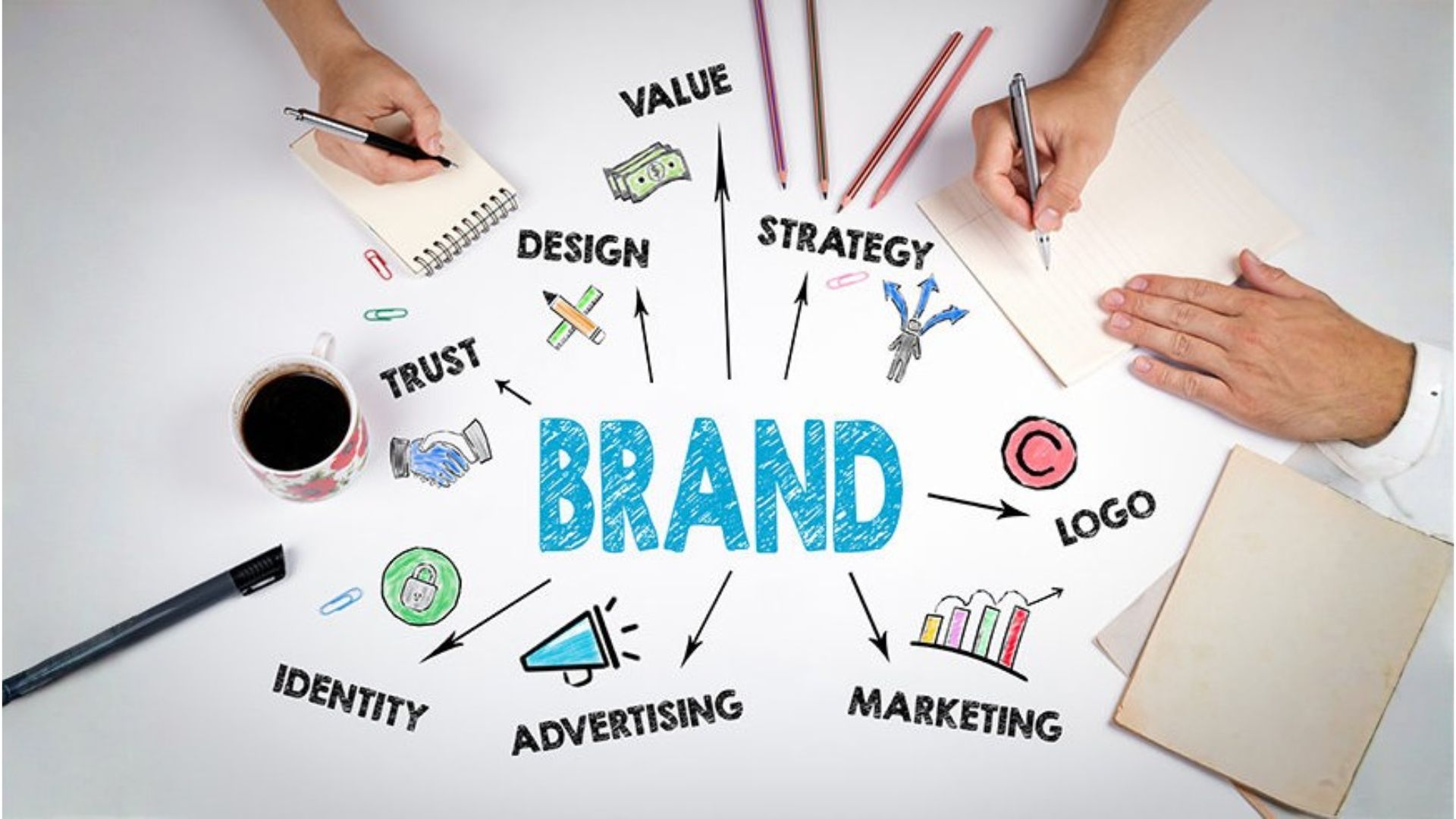
Many business owners think branding is just about creating a logo and choosing colors. But effective branding is so much more — it's the complete experience customers have with your business, from first impression to long-term relationship.
Your logo is important, but it's just one small piece of a much larger puzzle. Let's explore what branding really means and why it matters for your business.
What Branding Really Is
Branding is the perception people have of your business. It's how customers feel when they think about you, what they say about you, and why they choose you over competitors.
Branding Includes:
✅ Elements:
- Visual Identity: Logo, colors, fonts, imagery
- Brand Voice: How you communicate and what you say
- Customer Experience: Every interaction with your business
- Brand Values: What you stand for and believe in
- Brand Promise: What customers can expect from you
- Brand Personality: The human traits your brand embodies
Why Logo Alone Isn't Enough
A great logo won't save a poor brand experience. Customers remember how you made them feel more than how your logo looks.
What Logo Can't Do:
- Fix poor customer service
- Compensate for inconsistent quality
- Create emotional connections alone
- Build trust without supporting actions
- Differentiate without strong brand foundation
What Logo Does:
- Creates first impression
- Provides visual recognition
- Represents your brand visually
- Aids in brand recall
- Signals professionalism
The Real Components of Branding
Understanding what makes up a complete brand helps you build one effectively.
1. Brand Identity (Visual Elements)
Beyond the Logo:
✅ Action Items:
- Color Palette: Colors that reflect your brand personality
- Typography: Fonts that communicate your brand voice
- Imagery Style: Consistent photo and graphic styles
- Design Language: Recurring visual elements
- Packaging: If applicable, how products are presented
2. Brand Voice and Messaging
How You Communicate:
✅ Action Items:
- Tone: Formal, casual, friendly, professional
- Language: Words and phrases you use consistently
- Key Messages: What you want people to remember
- Storytelling: How you tell your brand story
- Communication Style: How you interact with customers
3. Brand Values and Mission
What You Stand For:
✅ Action Items:
- Core Values: Principles that guide your business
- Mission Statement: Why your business exists
- Vision: Where you're heading
- Purpose: Beyond profit, what you're trying to achieve
- Ethics: How you conduct business
4. Customer Experience
Every Touchpoint Matters:
✅ Action Items:
- Website Experience: Navigation, speed, content
- Customer Service: How you handle inquiries and problems
- Product/Service Quality: What customers receive
- Packaging and Delivery: Unboxing and receipt experience
- Follow-up: Post-purchase communication
How Branding Affects Your Business
Strong branding impacts every aspect of your business performance.
1. Customer Perception
- Influences how customers see your business
- Affects purchase decisions
- Builds trust and credibility
- Creates emotional connections
- Shapes word-of-mouth
2. Pricing Power
- Customers pay more for trusted brands
- Reduces price sensitivity
- Justifies premium positioning
- Increases profit margins
3. Customer Loyalty
- Creates repeat customers
- Reduces switching behavior
- Generates referrals
- Builds brand advocates
- Increases customer lifetime value
4. Marketing Effectiveness
- Makes marketing messages more memorable
- Increases ad effectiveness
- Reduces customer acquisition costs
- Improves conversion rates
- Strengthens customer relationships
Common Branding Mistakes
Avoid these common mistakes that weaken your brand.
1. Focusing Only on Visuals
Problem: Spending all effort on logo and colors, ignoring other elements.
Solution: Invest in customer experience, messaging, and consistency across all touchpoints.
2. Inconsistency
Problem: Different look, feel, or message in different places.
Solution: Create brand guidelines and ensure consistency everywhere.
3. Copying Competitors
Problem: Trying to look or sound like successful competitors.
Solution: Find what makes you unique and build your brand around that.
4. Ignoring Customer Experience
Problem: Great visuals but poor service or product quality.
Solution: Ensure brand promise matches actual experience.
5. No Clear Brand Strategy
Problem: Random branding decisions without clear direction.
Solution: Define brand strategy before making branding decisions.
Building a Strong Brand
Here's how to build a brand that goes beyond just a logo.
Step 1: Define Your Brand Foundation
✅ Action Items:
- Identify Your Why: Why does your business exist?
- Know Your Audience: Who are you serving?
- Define Your Values: What do you stand for?
- Articulate Your Promise: What can customers expect?
Step 2: Develop Brand Identity
- Create visual elements (logo, colors, fonts)
- Ensure they reflect your brand personality
- Make them memorable and distinctive
- Create brand style guide
Step 3: Establish Brand Voice
- Define how you communicate
- Create messaging guidelines
- Develop key messages
- Train team on brand voice
Step 4: Deliver Brand Experience
- Map customer journey
- Identify all touchpoints
- Ensure consistent experience
- Train team on brand standards
- Monitor and improve continuously
Step 5: Maintain Consistency
- Use brand guidelines consistently
- Regular brand audits
- Train all team members
- Update guidelines as needed
- Monitor brand representation
Real-World Examples
Seeing how successful brands work helps understand branding better.
Example 1: Apple
Beyond Logo:
- Clean, minimalist design philosophy
- Innovation-focused messaging
- Premium customer experience
- Consistent brand voice
- Strong brand values
Example 2: Local Malaysian Business
Complete Branding:
- Consistent visual identity across all materials
- Friendly, approachable brand voice
- Excellent customer service experience
- Clear brand values (trust, quality, community)
- Consistent delivery of brand promise
Quick Branding Checklist
Use this checklist to evaluate your brand:
✅ Foundation:
- [ ] Clear brand mission and values
- [ ] Defined target audience
- [ ] Articulated brand promise
- [ ] Brand positioning statement
✅ Visual Identity:
- [ ] Memorable logo
- [ ] Consistent color palette
- [ ] Defined typography
- [ ] Imagery style guidelines
- [ ] Brand style guide
✅ Brand Voice:
- [ ] Defined tone of voice
- [ ] Key messaging guidelines
- [ ] Brand storytelling framework
- [ ] Communication standards
✅ Experience:
- [ ] Consistent customer experience
- [ ] Quality products/services
- [ ] Excellent customer service
- [ ] Professional touchpoints
- [ ] Brand promise delivery
✅ Consistency:
- [ ] Brand guidelines documented
- [ ] Team trained on branding
- [ ] Regular brand audits
- [ ] Consistent across channels
- [ ] Brand monitoring system
Key Takeaways
Branding is far more than just a logo:
- Branding is perception — It's how customers feel about your business
- Logo is just one element — Visual identity is important but not sufficient
- Experience matters most — How customers feel is more memorable than how things look
- Consistency builds recognition — Same brand experience everywhere strengthens brand
- Values drive connection — What you stand for creates emotional bonds
- Strong branding pays off — Better pricing, loyalty, and marketing effectiveness
Your logo is your brand's face, but branding is your brand's personality, reputation, and relationship with customers. Focus on creating a complete brand experience that consistently delivers on your brand promise. When you do, your logo becomes a symbol people trust and remember — not because of how it looks, but because of everything it represents.
Start building your complete brand today. Define your foundation, develop your identity, establish your voice, and deliver exceptional experiences. That's how you create a brand that's truly more than just a logo.