From Awareness to Sales: How Marketing Funnel Really Works
The marketing funnel is one of the most fundamental concepts in business, yet many companies struggle to understand and implement it effectively. Understanding how potential customers move from first awareness to final purchase is crucial for creating effective marketing strategies that drive real results.
Whether you're a startup or an established business, mastering the funnel can transform your marketing efforts. Let's explore each stage and how to optimize your strategy at every level.
What is a Marketing Funnel?
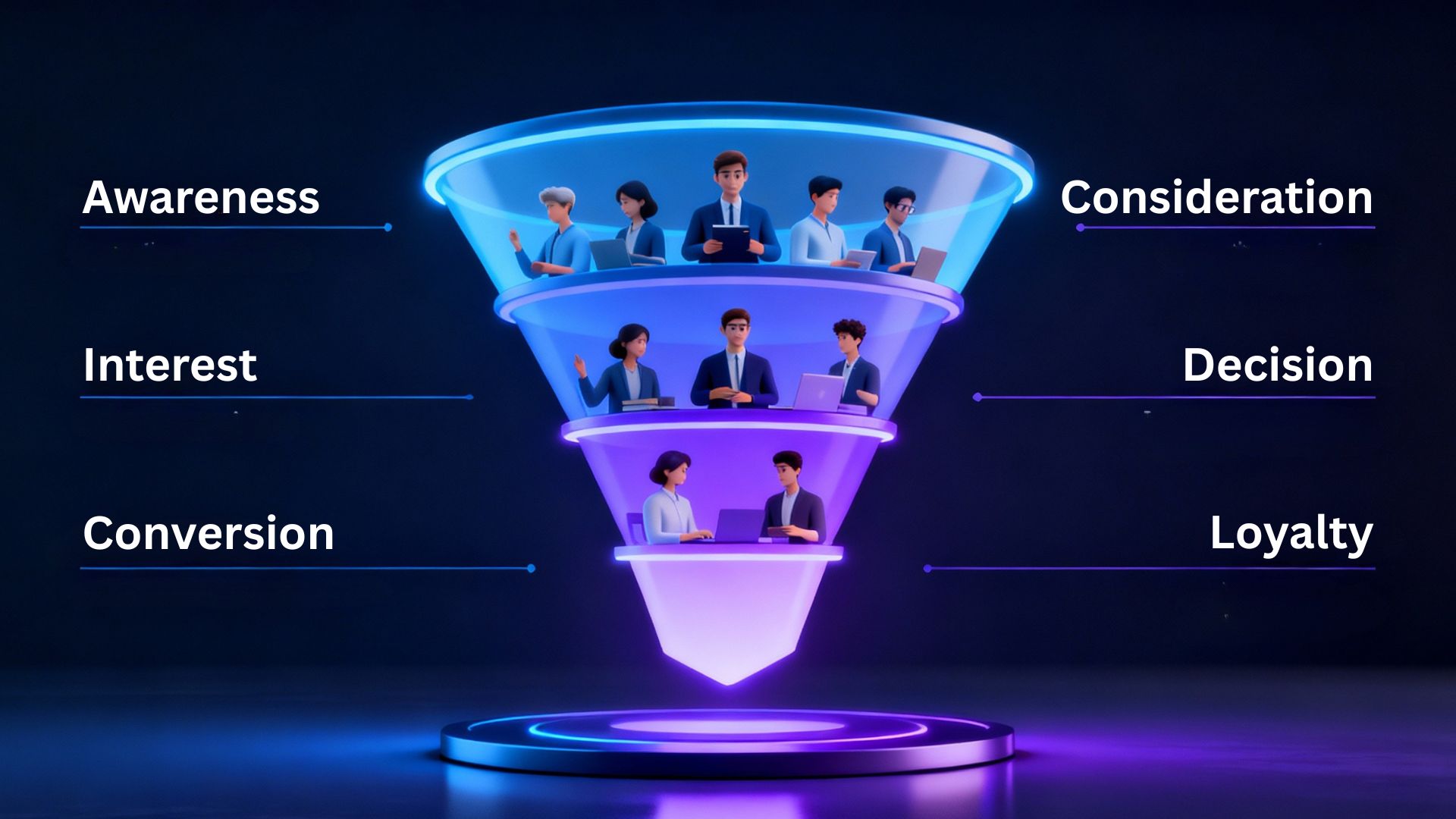
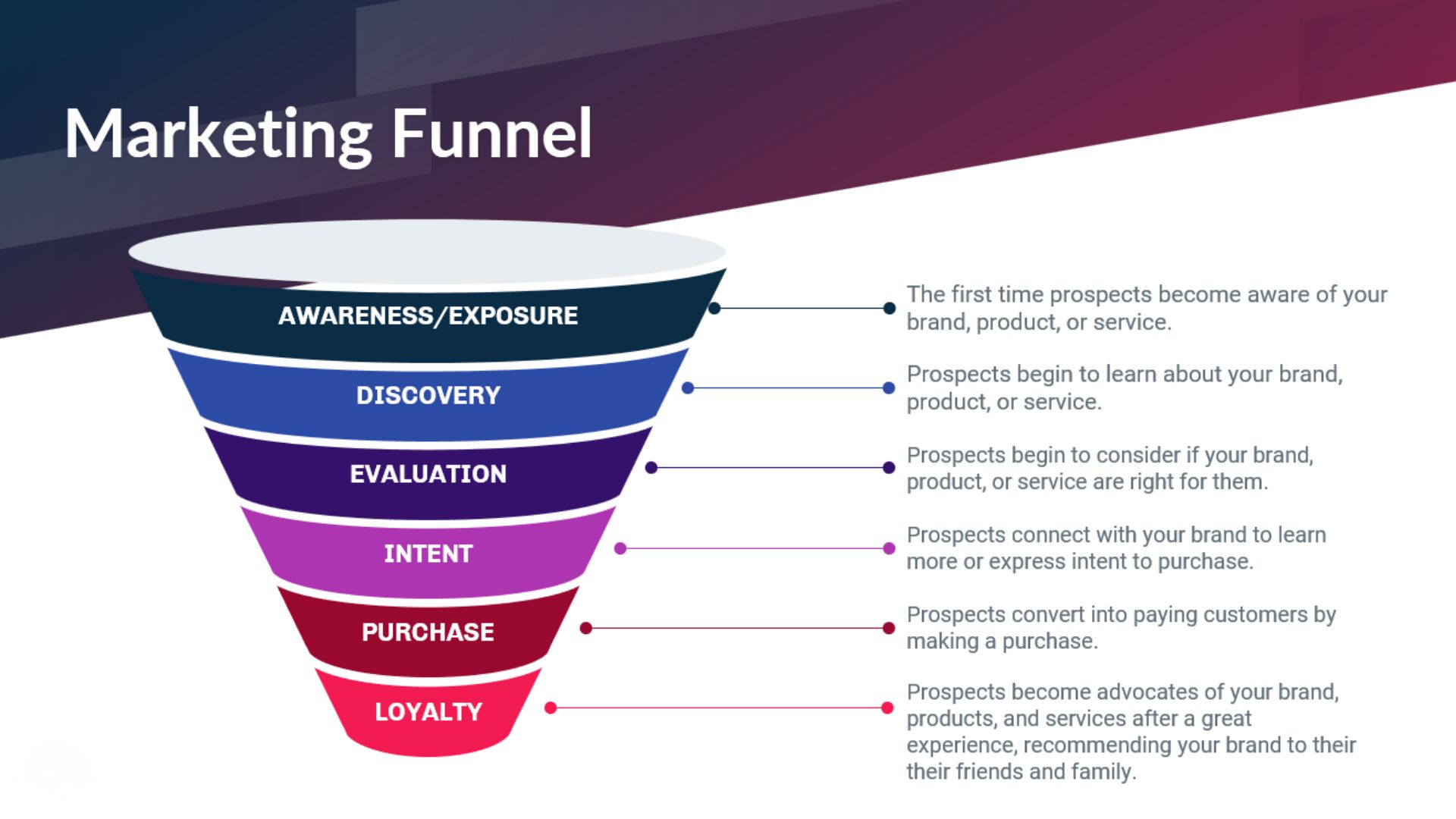
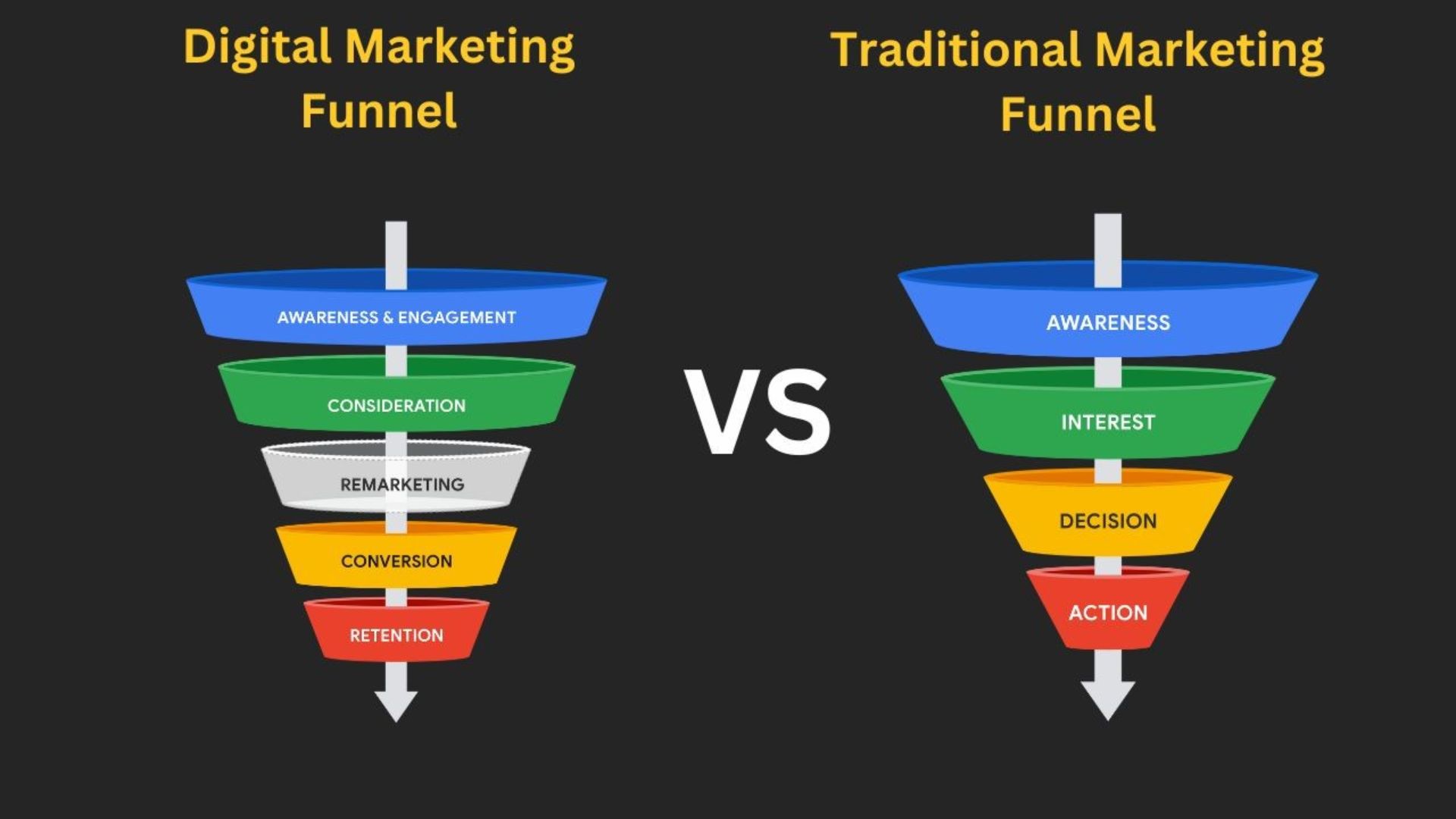
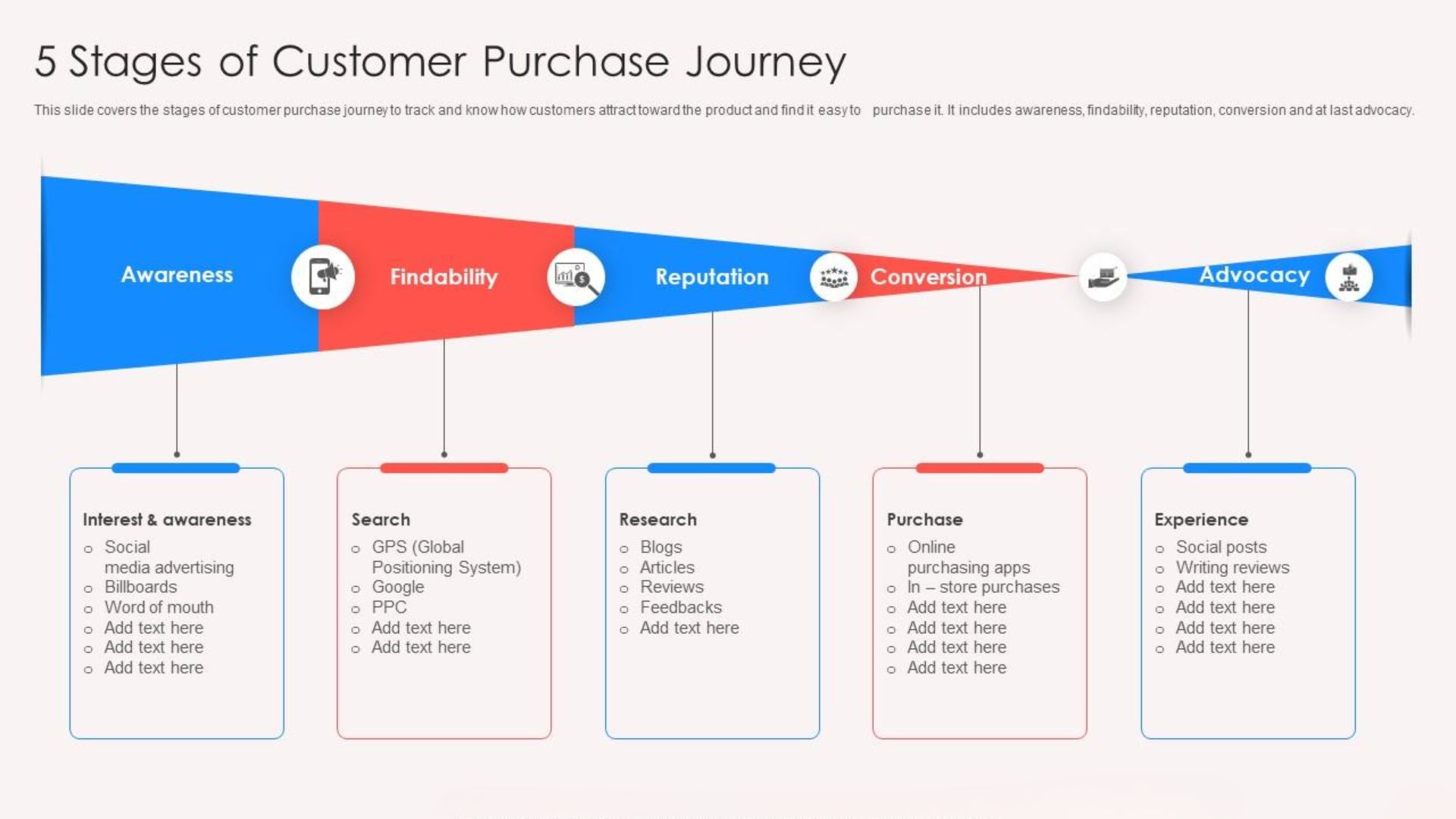
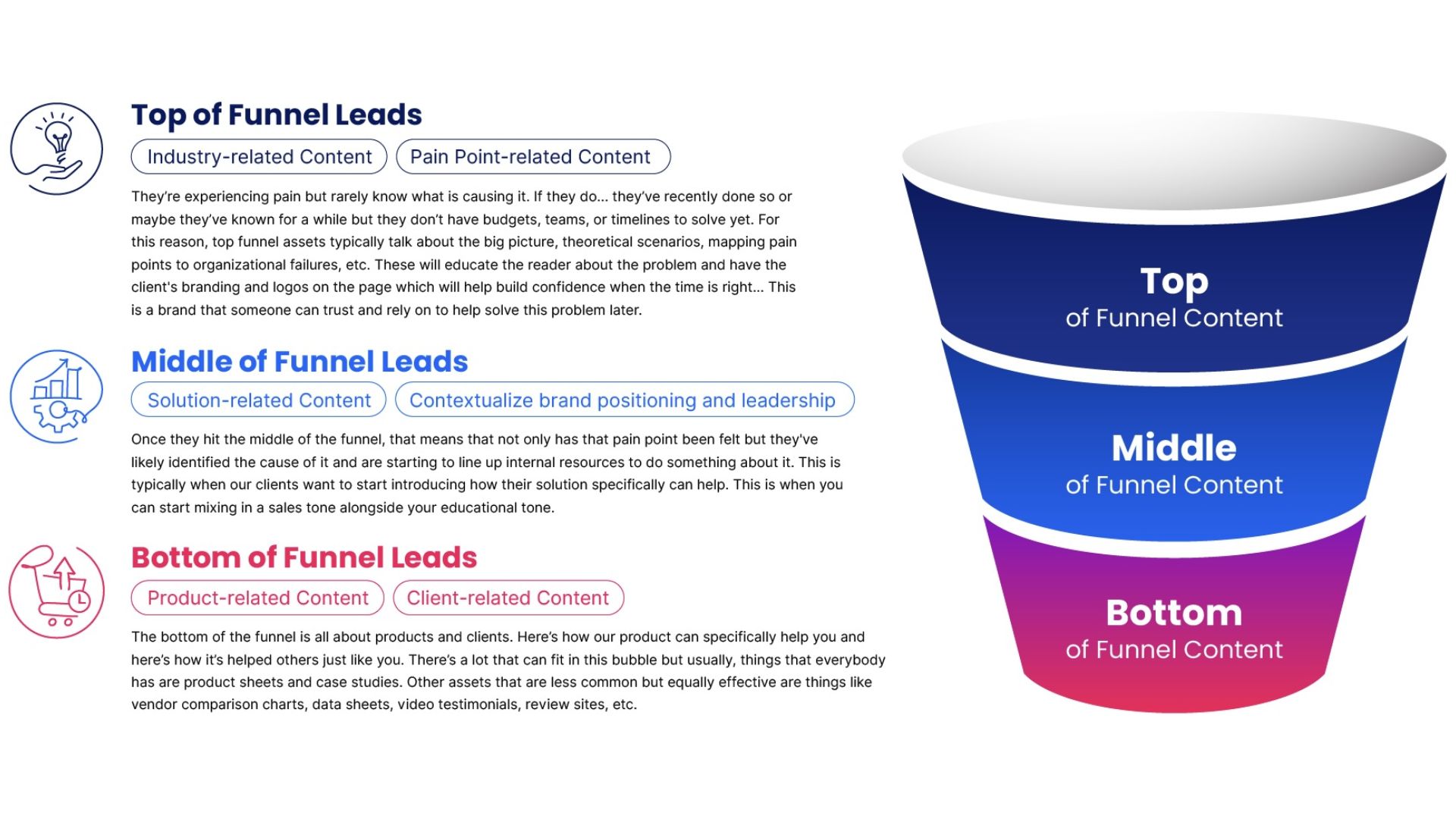
A marketing funnel is a visual representation of the customer journey, showing how potential customers progress through different stages before making a purchase. It's called a "funnel" because the number of potential customers decreases at each stage — like a funnel narrowing down.
The traditional funnel has five main stages:
- Awareness — Potential customers discover your brand
- Interest — They show interest in your products or services
- Consideration — They evaluate you against competitors
- Purchase — They make a buying decision
- Loyalty — They become repeat customers and advocates
Stage 1: Awareness — Making Your First Impression
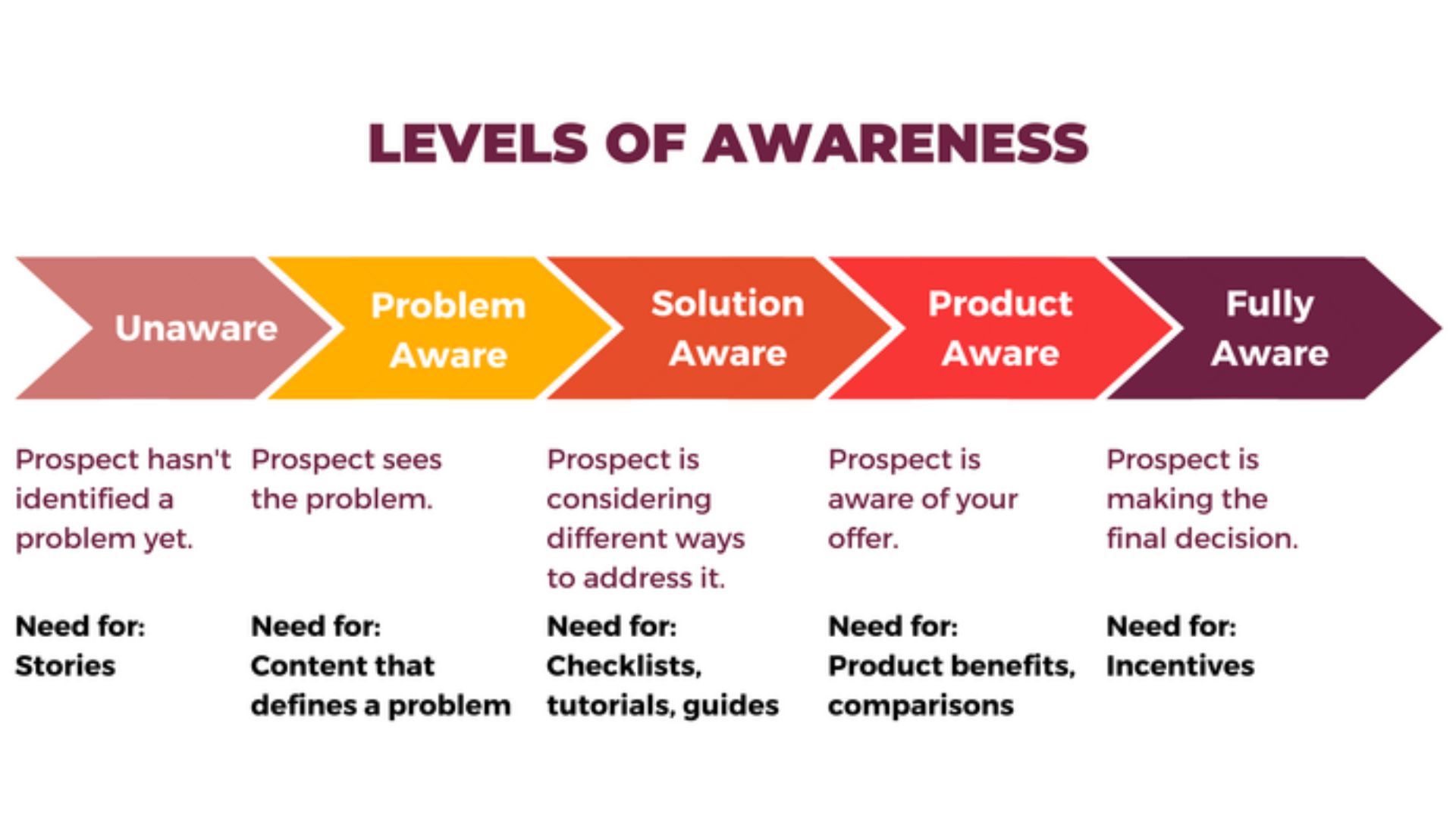
The awareness stage is where potential customers first encounter your brand. They may not even know they have a problem yet, or they're just beginning to explore solutions.
Goals at This Stage:
- Increase brand visibility
- Educate about problems and solutions
- Build initial interest
- Capture contact information
Content Strategies:
1. Educational Content
✅ Action Items:
- Create blog posts addressing common problems
- Develop how-to guides and tutorials
- Share industry insights and trends
- Answer frequently asked questions
- Produce informative videos and podcasts
2. Social Media Presence
- Engage on platforms where your audience is active
- Share valuable tips and insights
- Participate in relevant conversations
- Build a community around your brand
3. SEO and Content Marketing
- Target long-tail keywords your audience searches
- Create pillar content that addresses core topics
- Optimize for local search if applicable
- Build backlinks through valuable content
4. Paid Advertising
- Facebook and Instagram awareness campaigns
- Google Display Network for brand exposure
- YouTube pre-roll ads for video content
- Retargeting pixels for future campaigns
Key Metrics to Track:
- Website traffic and page views
- Social media reach and impressions
- Content engagement (likes, shares, comments)
- Email list growth
- Brand search volume
Stage 2: Interest — Engaging Potential Customers
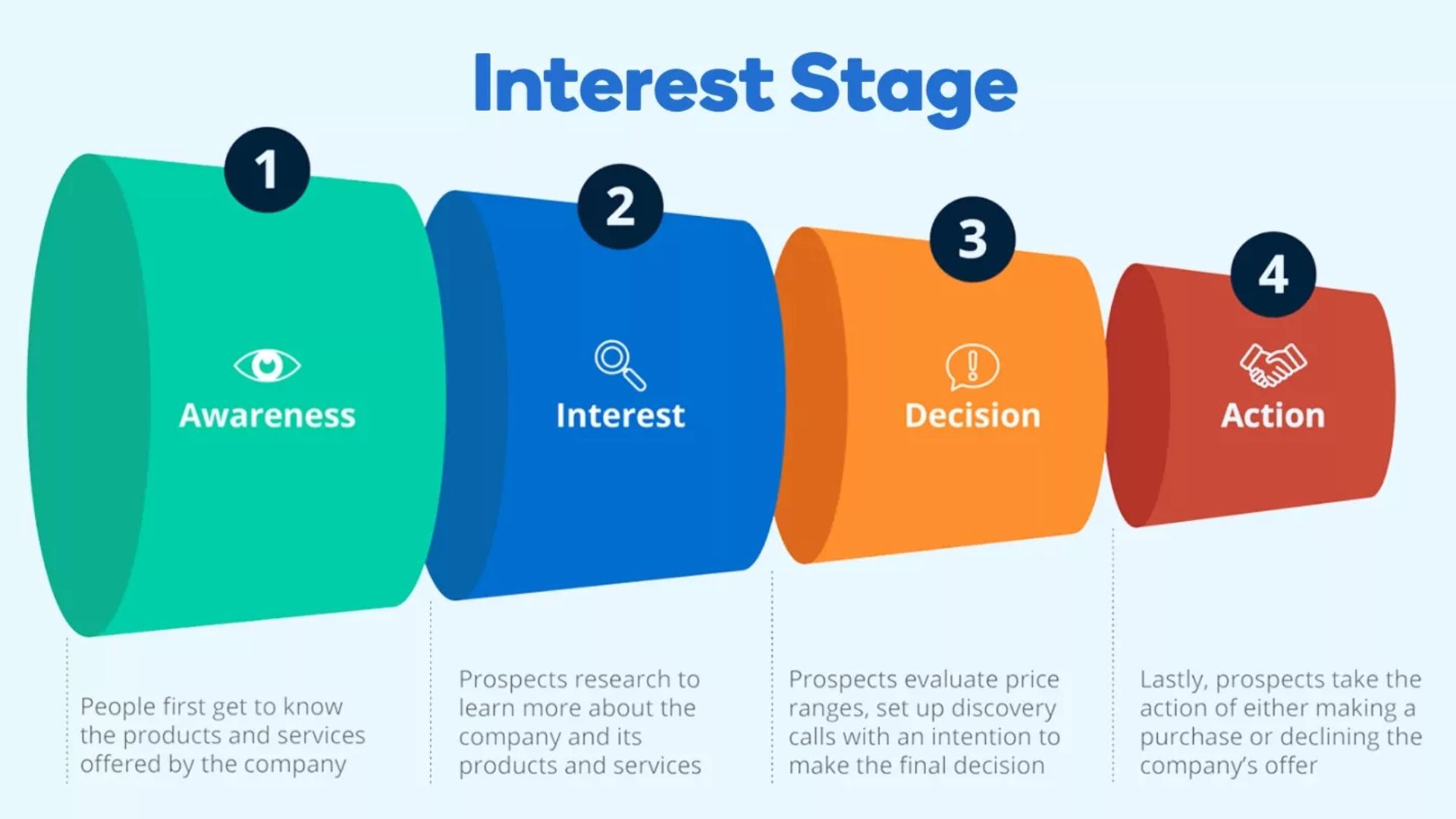
Once customers are aware of your brand, they need to develop genuine interest. This is where you demonstrate value and show how you can solve their problems.
Goals at This Stage:
- Build trust and credibility
- Demonstrate expertise
- Show value and benefits
- Maintain engagement
Content Strategies:
1. Lead Magnets
✅ Action Items:
- Offer free ebooks or guides in exchange for email
- Create downloadable templates or tools
- Provide free consultations or assessments
- Develop email courses or webinars
- Offer exclusive content or resources
2. Email Nurture Sequences
- Welcome series introducing your brand
- Educational content addressing pain points
- Case studies and success stories
- Behind-the-scenes content
- Exclusive offers for subscribers
3. Webinars and Live Events
- Host educational webinars on relevant topics
- Conduct live Q&A sessions
- Offer virtual workshops or trainings
- Create interactive experiences
4. Social Proof
- Share customer testimonials
- Display reviews and ratings
- Showcase case studies
- Highlight awards and certifications
- Feature user-generated content
Key Metrics to Track:
- Email open and click rates
- Lead magnet downloads
- Webinar registrations and attendance
- Social engagement rates
- Time spent on website
Stage 3: Consideration — Helping Them Decide
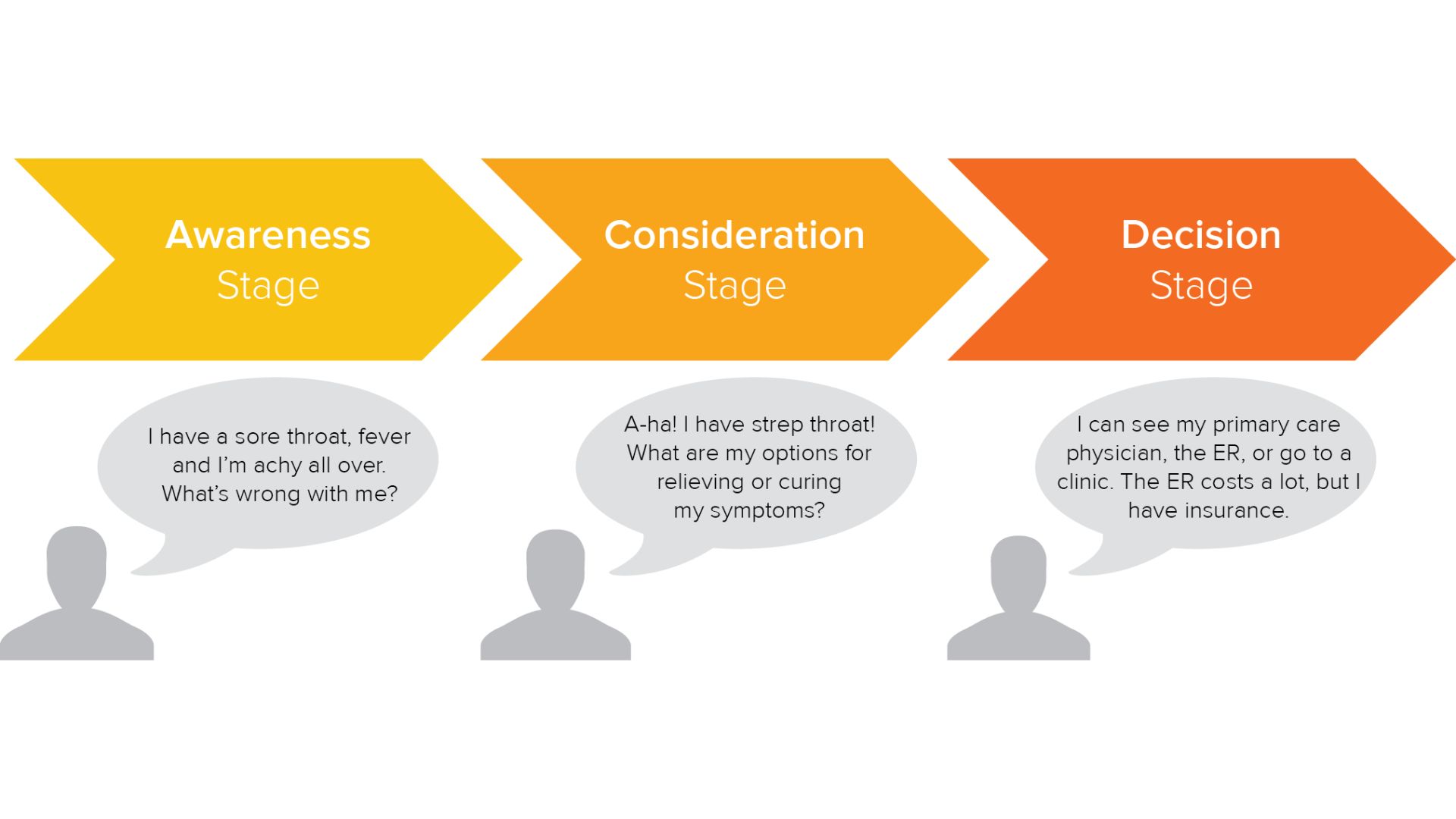
At the consideration stage, potential customers are actively evaluating their options. They're comparing you to competitors and deciding whether to proceed.
Goals at This Stage:
- Differentiate from competitors
- Address objections and concerns
- Provide detailed information
- Facilitate decision-making
Content Strategies:
1. Comparison Content
✅ Action Items:
- Create comparison guides (you vs. competitors)
- Develop "Buying Guide" content
- Share feature comparison charts
- Provide detailed product/service information
- Offer free trials or demos
2. Case Studies and Testimonials
- Detailed success stories from similar customers
- Before-and-after results
- Video testimonials
- Industry-specific examples
- ROI calculations and proof points
3. Detailed Product/Service Pages
- Comprehensive descriptions and features
- Pricing transparency
- Implementation timelines
- Frequently asked questions
- Live chat or consultation options
4. Social Proof Amplification
- Display trust badges and certifications
- Show customer count or usage statistics
- Feature press mentions and awards
- Highlight partnerships with recognized brands
Key Metrics to Track:
- Product page views and time on page
- Demo or trial requests
- Comparison page visits
- FAQ engagement
- Sales inquiry quality
Stage 4: Purchase — Converting Interest into Sales
The purchase stage is where interest becomes action. Your goal is to make the buying process as smooth and compelling as possible.
Goals at This Stage:
- Remove purchase barriers
- Create urgency when appropriate
- Simplify the buying process
- Close the sale
Content Strategies:
1. Clear Calls-to-Action
✅ Action Items:
- Use action-oriented language ("Start Now," "Get Started," "Claim Your Spot")
- Make CTAs visually prominent
- Place CTAs strategically throughout content
- Test different CTA copy and designs
- Create urgency with limited-time offers
2. Special Offers and Incentives
- Limited-time discounts or bonuses
- Free trials or money-back guarantees
- Bundle deals for multiple purchases
- Referral incentives
- First-time customer discounts
3. Streamlined Checkout Process
- Minimize form fields (only essential information)
- Offer multiple payment options
- Provide clear shipping/delivery information
- Display security badges and trust signals
- Enable guest checkout option
4. Remarketing and Abandoned Cart Recovery
- Email sequences for cart abandoners
- Retargeting ads for website visitors
- Special offers for returning visitors
- Reminder campaigns for incomplete purchases
Key Metrics to Track:
- Conversion rates
- Average order value
- Cart abandonment rate
- Time to purchase
- Payment method preferences
Stage 5: Loyalty — Building Long-Term Relationships
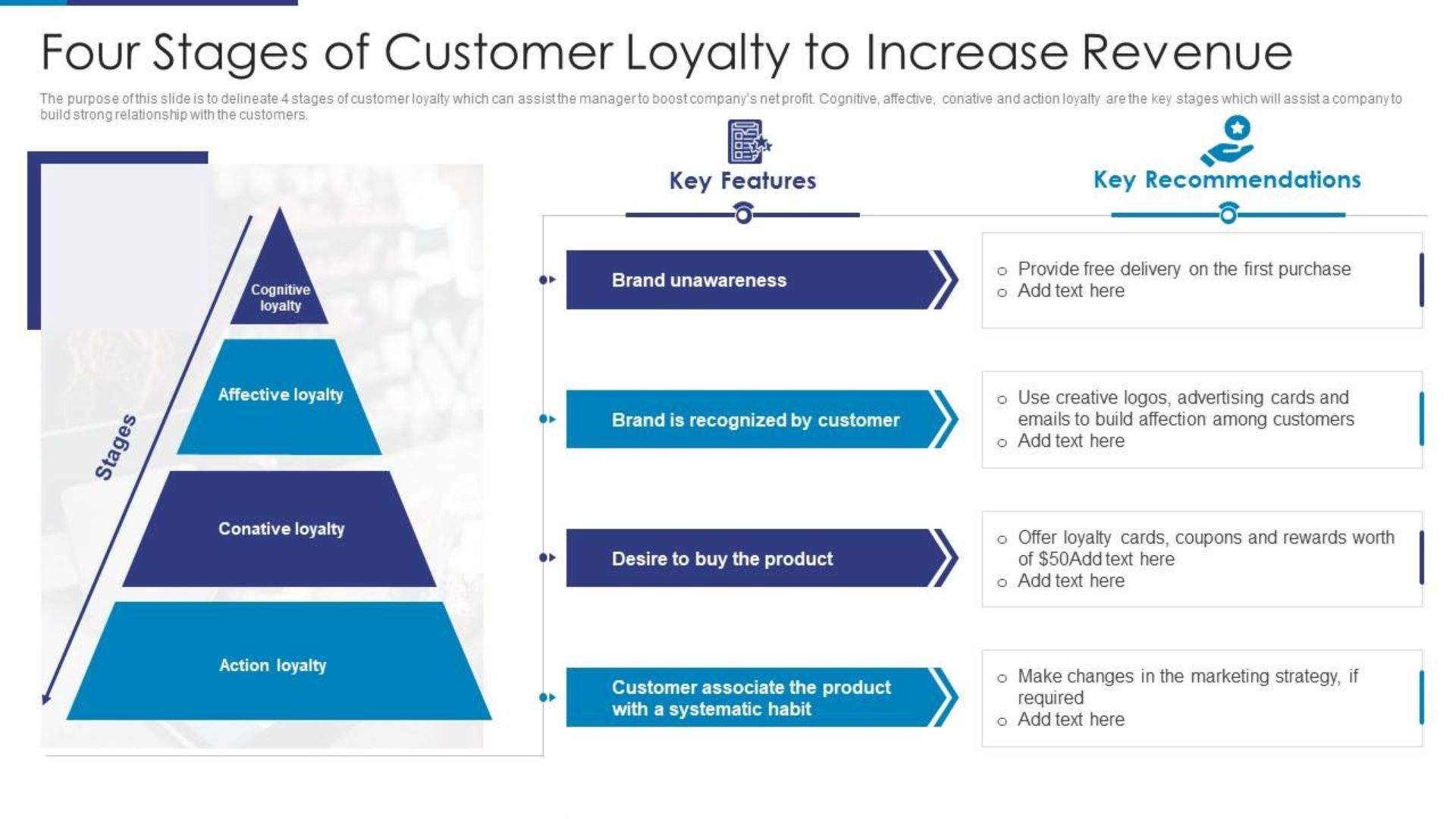
The funnel doesn't end at purchase. Loyal customers are your best source of repeat business, referrals, and advocacy.
Goals at This Stage:
- Ensure customer satisfaction
- Encourage repeat purchases
- Generate referrals
- Build brand advocates
Content Strategies:
1. Onboarding Programs
✅ Action Items:
- Welcome sequences for new customers
- Usage tips and best practices
- Training resources and tutorials
- Progress tracking and milestones
- Personal check-ins and support
2. Loyalty Programs
- Points or rewards systems
- Exclusive member benefits
- Tiered loyalty levels
- Birthday and anniversary offers
- Early access to new products
3. Upsell and Cross-Sell
- Recommend complementary products
- Offer premium upgrades
- Suggest add-ons during checkout
- Create bundles and packages
- Email campaigns for related products
4. Community Building
- Create customer-only groups or forums
- Host exclusive events or webinars
- Facilitate customer connections
- Share user-generated content
- Celebrate customer successes
Key Metrics to Track:
- Customer retention rate
- Repeat purchase rate
- Customer lifetime value (CLV)
- Net Promoter Score (NPS)
- Referral rate
Optimizing Your Funnel: Key Strategies
Understanding each stage is important, but optimizing the entire funnel is where real success happens.
1. Map Your Customer Journey
✅ Action Items:
- Identify touchpoints at each stage
- Understand customer motivations and pain points
- Document the decision-making process
- Note where customers drop off
- Create journey maps for different personas
2. Address Drop-Off Points
Common drop-off reasons:
- Lack of relevant content at a stage
- Poor user experience
- Unclear value proposition
- Price objections
- Trust issues
Solutions:
- Create targeted content for weak stages
- Improve website navigation and UX
- Add trust signals and social proof
- Offer flexible pricing options
- Provide multiple ways to engage
3. Automate Where Possible
- Email nurture sequences
- Lead scoring and qualification
- Abandoned cart recovery
- Post-purchase follow-ups
- Re-engagement campaigns
4. Test and Iterate
- A/B test content at each stage
- Experiment with different offers
- Try various CTAs and messaging
- Optimize based on data
- Continuously refine your approach
Common Funnel Mistakes to Avoid
1. Ignoring Early Stages
Many businesses focus only on conversion, neglecting awareness and interest. This limits your pool of potential customers.
2. One-Size-Fits-All Approach
Different customer segments may move through the funnel differently. Tailor your approach to each persona.
3. Neglecting Post-Purchase
The funnel doesn't end at purchase. Loyalty and retention are crucial for long-term success.
4. Not Tracking Metrics
You can't optimize what you don't measure. Track metrics at every stage.
5. Rushing Prospects
Respect where customers are in the funnel. Pushing too hard can cause them to drop off.
Key Takeaways
The marketing funnel is a powerful framework for understanding and optimizing your customer journey:
- Each stage requires different strategies — Tailor content and tactics to where customers are
- The funnel is continuous — Don't stop at purchase; build loyalty for long-term success
- Drop-offs are normal — Focus on minimizing them, not eliminating them
- Data drives optimization — Track metrics and make data-driven decisions
- Automation amplifies results — Use tools to scale your funnel efforts
- Testing never stops — Continuously refine your approach based on results
The most successful businesses understand that the funnel isn't just a concept — it's a practical framework for building sustainable growth. Start by mapping your current customer journey, identify gaps at each stage, and systematically optimize your approach. With consistent effort and the right strategies, you can guide more prospects through your funnel and turn them into loyal customers.
Ready to optimize your marketing funnel? Begin by analyzing where your current customers are in the journey and identify the biggest opportunities for improvement at each stage.